
3rd Gen Concreting
Concrete Crossovers
Melbourne

Concrete crossovers connect Melbourne properties to the roadway and provide vehicle access between a driveway and the road, allowing vehicles to safely enter and exit a property. This section of pavement must be built to withstand vehicle loads while also complying with local council requirements. Because crossovers form part of both the driveway and the public verge area, they must be constructed with careful attention to specifications such as thickness, reinforcement and drainage. A well installed concrete crossover supports smooth vehicle access while maintaining the structural integrity of the surrounding pavement and kerb.
At 3rd Gen Concreting we install concrete crossovers for Melbourne homeowners for safe and compliant vehicle access. Our team manages the preparation, reinforcement and finishing of crossover slabs so they meet council standards and perform reliably under daily use. Ground preparation and proper base compaction are important to help limit movement or cracking over time. Our experienced Melbourne structural concreting specialists work with homeowners, builders and contractors to deliver crossover installations that integrate with existing driveways and surrounding infrastructure.
What Is a Concrete Crossover?
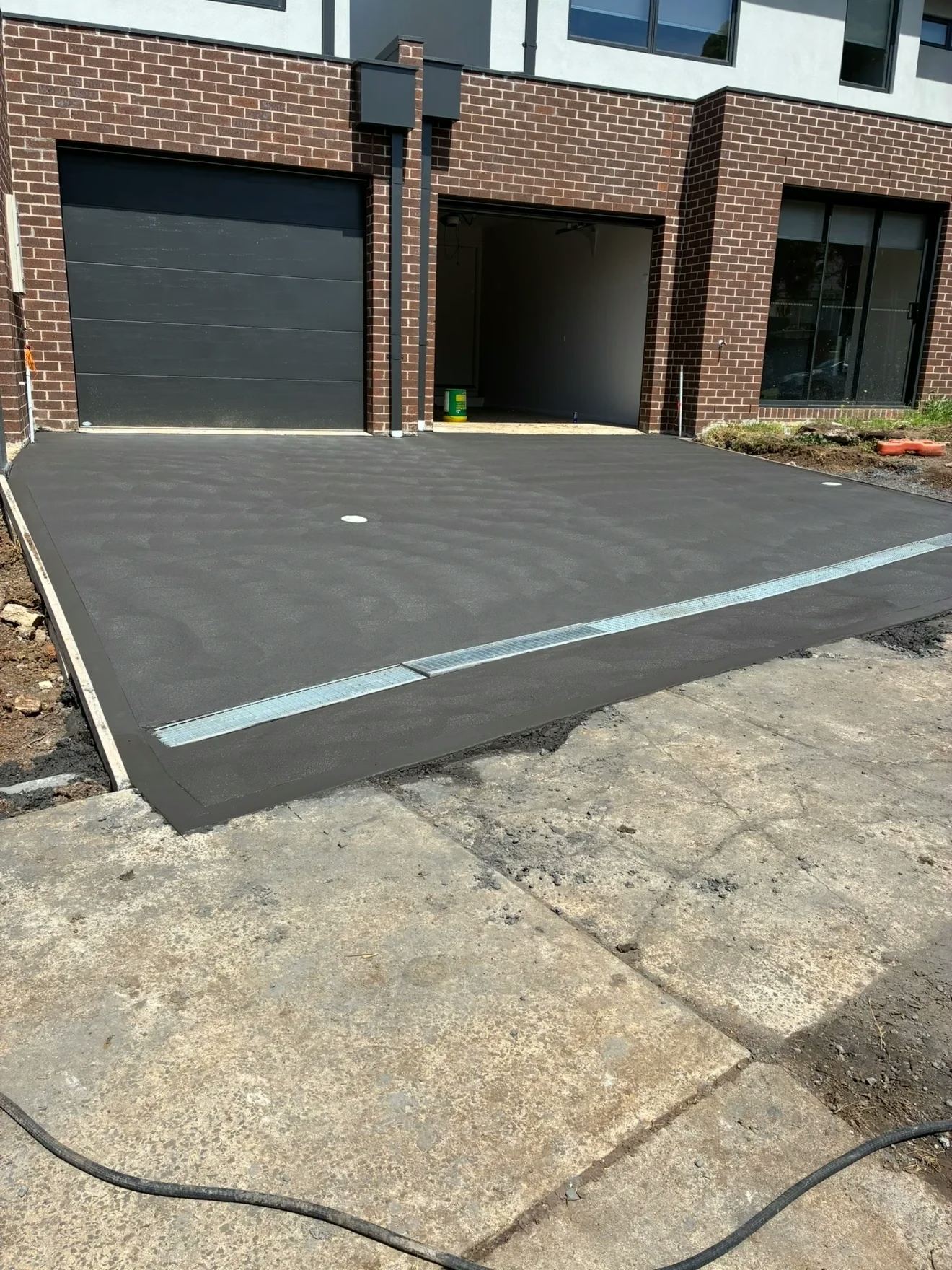
A concrete crossover is the section of pavement that connects a private driveway to the public road. It typically runs across the footpath and nature strip area between the property boundary and the roadway. Because this section experiences frequent vehicle movement, it must be constructed using durable materials and appropriate reinforcement.
Unlike a standard driveway, crossovers are often subject to council regulations that specify design requirements. These requirements may include slab thickness, reinforcement placement and alignment with existing kerbs or drainage channels.
A properly constructed crossover provides a smooth transition from road to driveway while protecting the surrounding footpath and verge from damage caused by vehicles.
Why Proper Crossover Construction Matters
Concrete crossovers must handle repeated vehicle loads while remaining stable over time. If a crossover is poorly constructed it can crack, sink or create uneven transitions between the driveway and road surface. These issues can damage vehicles and create safety hazards for pedestrians.
Appropriate design and construction help the crossover remain serviceable under the expected loads. Key considerations include soil stability, base compaction and reinforcement within the slab. Drainage must also be considered so water flows away from the surface rather than pooling around the crossover.
By following proper installation methods, a crossover can perform reliably for many years.
Council Requirements for Concrete Crossovers
Check the relevant council and road authority before planning the work. Melbourne councils set specific guidelines for constructing crossovers. These guidelines aim to ensure that crossovers are built safely and remain consistent with local infrastructure standards.
Common council requirements may include:
- Minimum concrete thickness and reinforcement
- Alignment with existing kerb and road levels
- Specific widths for vehicle access points
- Approved materials and construction methods
- Inspection or approval before and after installation
Confirm the required approvals and inspection sequence before work starts. For example, Merri-bek requires a vehicle-crossing permit before works and a pre-pour inspection before concrete is placed. Other councils or road authorities may have different requirements; confirm who is responsible for applications and inspections in the project scope.
Concrete Crossover Installation Process
Installing a concrete crossover involves several stages designed to ensure durability and structural stability. After the required approvals are in place, work begins with excavation and preparation of the ground beneath the slab. Coordinate any required inspection before pouring.
The installation process generally includes:
- Excavation and removal of unsuitable soil
- Compaction of the base material
- Installation of formwork and reinforcement
- Pouring and levelling the concrete
- Finishing and curing of the surface
Each stage contributes to the long term performance of the crossover. Proper curing is particularly important because it allows the concrete to reach its intended strength.
Repairing or Replacing Existing Crossovers
In some cases older crossovers become damaged due to ground movement, heavy vehicle loads or ageing materials. Cracks, uneven surfaces or surface deterioration may indicate that repairs or replacement are required.
Repairing or replacing a damaged crossover can improve vehicle access and restore the appearance of the driveway entrance. Replacement is often recommended when the existing slab has extensive structural damage or no longer meets council requirements.
An older crossover can be upgraded to improve access and meet the applicable approved design. Check current council specifications and inspection requirements before changing the entry.
FAQs About Concrete Crossovers Melbourne
Do crossovers require council approval?
Check your council and any relevant road authority before building, repairing or widening a crossing. In Merri-bek, a vehicle-crossing permit is required before works and the pre-pour inspection precedes concrete placement.
How thick should a concrete crossover be?
Thickness varies depending on council specifications and expected vehicle loads.
Can a crossover be widened?
Yes, but widening may require council approval and updated design specifications.
How long does a crossover take to install?
Work duration depends on removal, preparation, access and the inspection sequence. Approval time and curing before vehicle use are separate; confirm the programme and reopening requirements for your project.
Can damaged crossovers be repaired?
Minor cracks can sometimes be repaired, but severely damaged crossovers may require replacement.
Get a Quote for Concrete Crossovers Melbourne
If you need a reliable vehicle access point between your driveway and the road, 3rd Gen Concreting provides concrete crossovers for Melbourne homeowners and builders for durable results. Our team handles the preparation, installation and finishing of crossover slabs so they perform well under daily use. We focus on base preparation and reinforcement to suit the approved design.
Crossover cost depends on width, removal or excavation, base preparation, access and council-related requirements. Contact us for a scoped quote. We assess enquiries within 35 km by road of 9 Camdon Street, Pascoe Vale; provide the property address so we can confirm coverage and access.
Concrete crossovers connect concrete driveways with the road and may meet adjoining concrete paths. Coordinate those levels and drainage with driveway slabs and foundations. Many property owners planning new builds or extensions also install engineered concrete footings in Melbourne as part of their construction projects.